


Atlas of Speculative Mineralogy
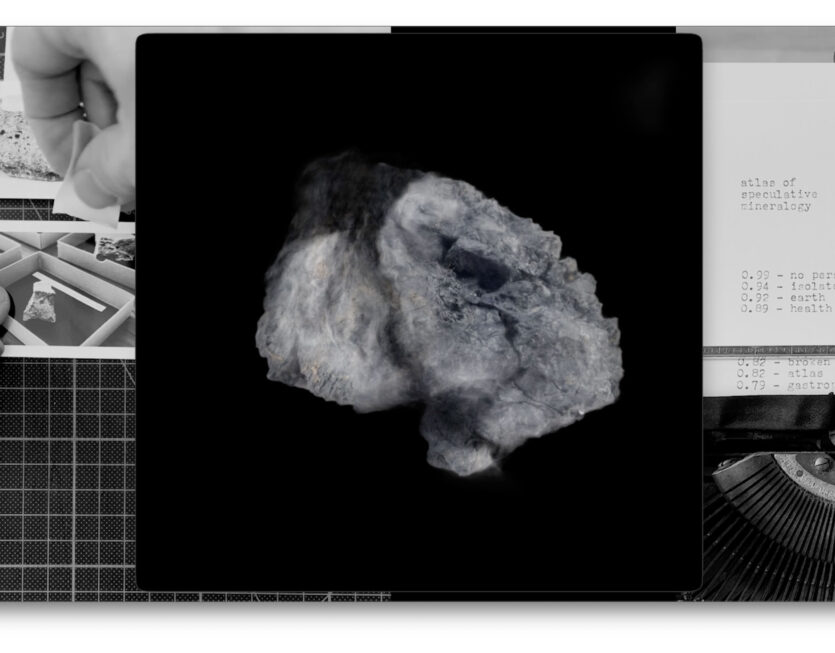
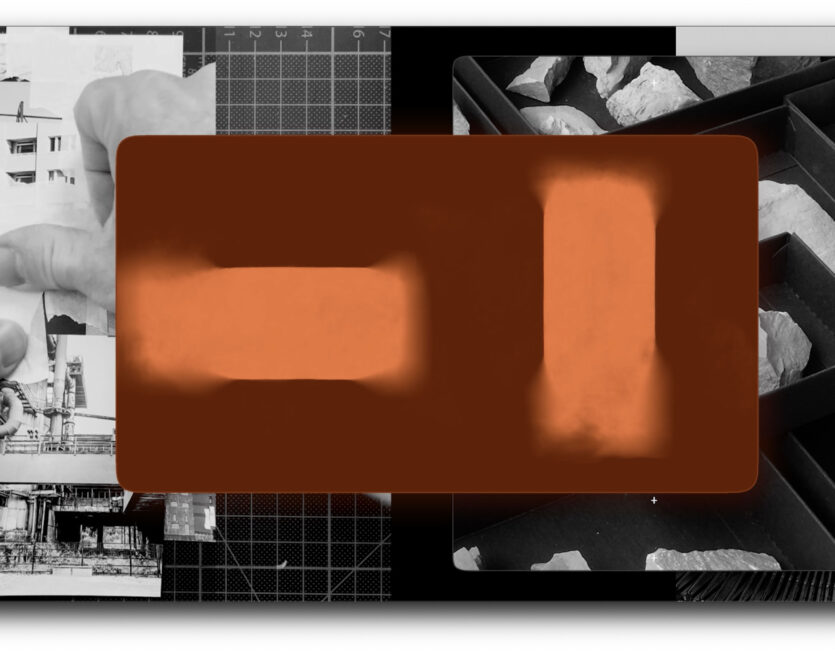
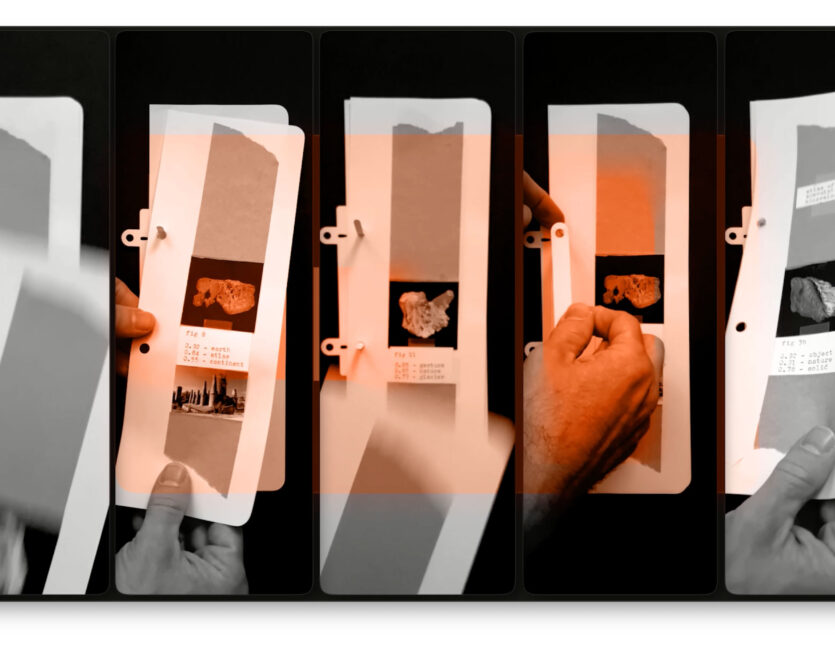
The “Atlas of Speculative Mineralogy” reimagines the 18th-century tradition of mineralogical atlases through the lens of machine learning. By combining fieldwork, geological collection, and AI image generation, the project examines how the earth becomes image—and how images reshape our understanding of the planet. Natural specimens and industrial materials are collected from active geological sites, scanned, and transformed into hybrid digital artifacts. These images are then analyzed by public classification algorithms, exposing how machine vision inherits the extractive gaze of mining. The resulting atlas unfolds as a dialogue between natural history and computation, revealing the intertwined evolution of matter, image, and technology. The atlas does not claim scientific authority; it stages a conversation among methods. Each sequence treats mineral matter as a carrier of time, extraction, memory, and consequence. Hybrid artifacts—neither fully natural nor artificial—reveal how technological mediation shapes what we see and how we name it.
Pascal Glissmann | DE
Pascal Glissmann is a designer, media artist, and educator whose work explores the entanglements of visual culture, ecology, and media infrastructures. He is an Associate Professor in the School of Art, Media & Technology at Parsons School of Design and co-director of the Observational Practices Lab. He holds an MFA in Media Arts from the Academy of Media Arts Cologne. His ongoing project Soil to Signal: The Atlas of Speculative Mineralogy investigates the material and computational ecologies linking geology, AI, and visual perception. More broadly, his research engages the merging of the natural, the artificial, and the speculative, bringing together people across disciplines and cultural backgrounds. His work manifests in publications for paper and screen, as well as in spatial installations. Presented at Ars Electronica, Kiasma Helsinki, and the New Media Art Festival Japan, it proposes an ethics of looking: to read the ground as archive, witness, and unfinished script.