


3D Design and the Evolution of the Fashion Value Chain
The ongoing digital transformation of the fashion industry has introduced significant changes across design, production, and distribution processes. Among these developments, the integration of 3D design technologies and digital prototyping tools has emerged as a key driver for innovation, efficiency, and sustainability. However, despite their growing relevance in industrial contexts, a notable gap persists between the competencies developed in fashion education and the practical demands of the professional environment.
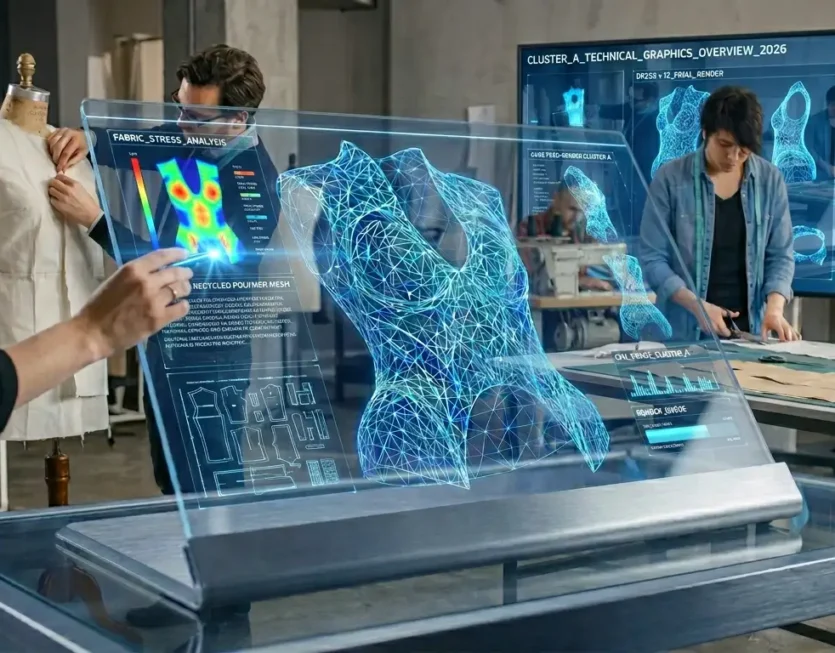
This research explores the role of 3D design applications within both educational and industrial frameworks, focusing on their impact on the evolution of the fashion value chain and the professional profiles involved. Through the analysis of international academic studies and national case studies—including educational institutions and leading fashion companies—the study examines how digital tools are being incorporated into learning processes and production systems.
The findings reveal a progressive but still limited integration of these technologies, highlighting their potential to reduce production times, enhance customization, and support more sustainable practices. At the same time, the research underscores the need for a more structured alignment between educational curricula and industry requirements, as well as the emergence of new professional roles capable of bridging creativity, technical knowledge, and digital expertise.
Ultimately, this study positions 3D fashion design not only as a technological advancement but as a strategic element in redefining the future of the fashion industry, fostering a more connected, efficient, and adaptable ecosystem.
NODOS by G | ES/IR
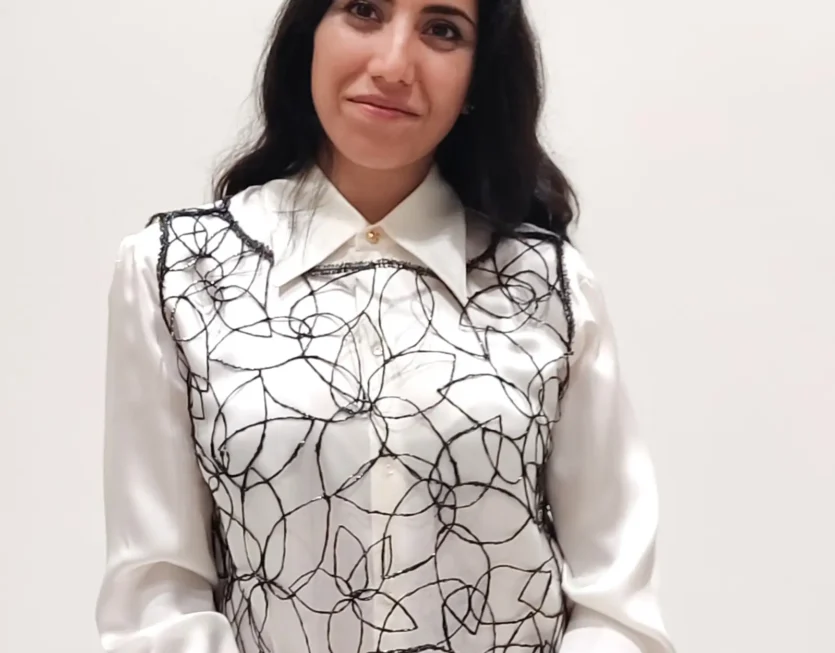
Gelareh is the founder of NODOS by G, a design studio and research-driven brand that merges technology, craftsmanship, and sustainability through 3D printing. With a PhD from the Technical University of Madrid (UPM), her work focuses on the application of digital fabrication tools within fashion and accessory design.
Her practice explores the use of biomaterials, particularly potato starch-based filaments and flexible materials, to create lightweight, durable, and environmentally conscious pieces. Through NODOS, she develops collections, prototypes, and educational experiences that bridge the gap between digital processes and physical making.
Alongside her design work, Gelareh leads workshops and training programmes aimed at making 3D design accessible to diverse audiences — from beginners to creatives and professionals.
Her approach combines technical knowledge with a strong emphasis on experimentation, material awareness, and hands-on learning, positioning her work at the intersection of innovation, design, and education.